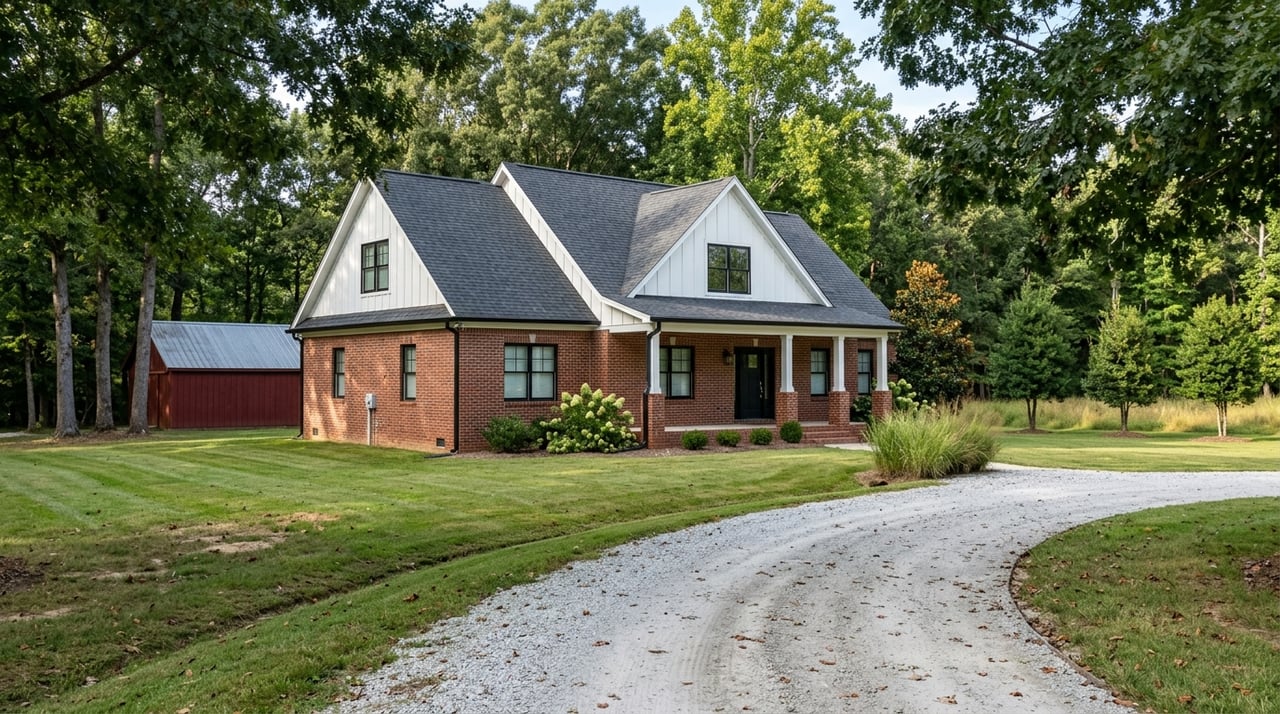
Buying Homes With Acreage In Chickamauga: Key Considerations
May 14, 2026
May 14, 2026
Dreaming about a little more space in Chickamauga? Buying a home with acreage can give you room to breathe, expand your hobbies, and enjoy a different pace of life, but it also comes with more moving parts than a typical neighborhood purchase. If you are considering land in or around Chickamauga, it helps to know what to verify before you fall in love with the view. Here’s what to look at so you can buy with more confidence and fewer surprises.
One of the first things to confirm is whether the property sits inside the City of Chickamauga or in unincorporated Walker County. That single detail can shape zoning, utility access, permits, and what you may be allowed to do with the land.
Walker County has 10 zoning districts, including A1 Agricultural and RA Residential/Agricultural. Inside the city, Chickamauga has its own zoning ordinance, including R-1A Agricultural/Residential and a flood-hazard overlay district. Before you make plans for a garden, animals, a workshop, or a future split, verify which set of rules applies to the parcel.
With acreage, you are usually buying more than a house. You are also buying the land’s current use rules and future limits. That is why zoning deserves an early review, not a last-minute one.
In Chickamauga’s R-1A district, low-density residential use is allowed along with incidental farming and certain livestock uses. At the same time, swine, dairies, and feed lots are not allowed, and general farming and horticulture uses require a 100-foot buffer from abutting residential property. If you want a mini-farm or homestead setup, these parcel-specific details matter.
Acreage can look simple on a listing, but access is not always straightforward. You will want to know whether the road frontage is on a county-maintained road, a private road, or a state highway.
Walker County Public Works maintains county roads, drainage ditches, and county rights-of-way. It also determines driveway tile size and installs residential driveway tile on county roads. If the property fronts a state highway, Georgia DOT requires a permit before work in the state right-of-way, including driveway changes, grading, drainage work, or temporary access for logging.
Before you move forward, ask a few direct questions about how the property is reached and maintained:
These answers can affect cost, timing, and how easy the property is to use day to day.
With acreage, utility service can vary more than buyers expect. A home may have public water, a private well, septic, public sewer, or a mix depending on the parcel and location.
Walker County permitting staff specifically ask whether water service is available, whether there is an existing well, whether sewer is available, whether there is an existing septic tank, and which agency provides power. That is a strong reminder not to assume a larger property has the same setup as a typical in-town lot.
Inside the city, Chickamauga lists water, sewer, and electric departments, and utility billing goes through Chickamauga Utilities. In other cases, service may come through the Walker County Water & Sewerage Authority or through private systems. The key is to verify the exact setup early, especially if you are planning future additions or outbuildings.
If the home uses private systems, due diligence becomes even more important. Septic and well issues can be manageable, but they should be understood before closing, not after.
Walker County Environmental Health handles septic inspection and permitting in the county. Georgia DPH says homeowners should use licensed installers, pumpers, and soil classifiers for soil reports, and its onsite sewage manual is the technical reference for siting and permitting.
For private wells, Georgia DPH says wells must be installed by licensed water well contractors. It also recommends annual bacterial testing and W33C chemical screening every three years. In addition, chemicals, gasoline, and fertilizer should be kept at least 50 feet away from the well area, and surface water should be diverted away from the casing.
If a Chickamauga acreage property has a well or septic system, ask for as much documentation as possible. Useful items include:
This information can help you understand both current condition and future expansion limits.
Flood risk does not stop at lot lines, and that is especially important with larger tracts. A property can have usable acreage in one area and flood-related limitations in another.
Walker County’s planning office notes that floodplain, land-disturbance, and stormwater issues can trigger extra documentation. Chickamauga’s zoning ordinance also includes an FH Flood Hazard Overlay District. That means floodplain review is not just a box to check for financing or insurance. It can also affect where and how you improve the land.
Acreage buyers often focus on size first, but the shape and condition of the land matter just as much. Drainage patterns, erosion concerns, and buildable areas can all affect long-term usability.
A current survey is especially helpful when fencing, easements, driveways, or future lot splits matter. Walker County’s planning office maintains official zoning maps and reviews survey plats for land being divided, which makes a survey one of the most practical tools in your due diligence process.
Larger properties can come with tax details that are easy to miss if you do not ask early. That is particularly true when the land may qualify for special assessment programs.
Walker County’s tax commissioner says conservation use assessment can apply to qualifying agricultural, timber, environmentally sensitive, or residential transitional property, and it carries a 10-year covenant. If you are looking at acreage, ask whether any conservation use covenant or other tax-related arrangement is already attached to the land.
The same office says homestead exemption applications must be received by April 1 to count for that tax year. If the property will become your primary residence, knowing that timeline ahead of time can help you plan.
Acreage can be a great lifestyle fit, but it usually means more personal responsibility than a smaller suburban lot. You may have more privacy and flexibility, but you will also have more ground to maintain.
Walker County crews maintain county roads, ditches, rights-of-way, mowing, storm-damage recovery, and driveway tile on county roads. Beyond those public responsibilities, owners should generally expect to handle their own mowing, drainage upkeep, fence repair, driveway maintenance, and erosion control on the property itself.
When you tour a home with land, try to picture the full property through every season. A long gravel drive, open fields, wooded edges, and drainage areas all take time and money to manage.
That does not mean acreage is the wrong move. It simply means your buying decision should include the land’s upkeep, not just the home’s floor plan and finishes.
Buying acreage in Chickamauga often works best when you bring in the right people early. A few timely calls can save you from expensive assumptions.
Depending on the parcel, the most useful contacts may include:
Because acreage properties are so parcel-specific, early verification is one of the smartest steps you can take.
If you want a simple way to stay organized, start with these questions:
That checklist can give you a stronger starting point as you compare properties around Chickamauga.
Buying a home with acreage can be incredibly rewarding when the property fits both your lifestyle and your long-term plans. The key is to look beyond the listing photos and verify how the land actually functions, what rules apply, and what ownership will require. If you want thoughtful guidance as you explore homes with land in Northwest Georgia, Putnam Property Group is here to help you navigate the details with care and clarity.
Stay up to date on the latest real estate trends.

Putnam Property Group is dedicated to helping you find your dream home and assisting with any selling needs you may have. Contact them today so they can guide you through the buying and selling process.

PUTNAM PROPERTY GROUP
ADDRESS 1428 CHESTNUT ST STE 114 CHATTANOOGA TN 37402