Your Downtown Chattanooga Condo & Townhome Buying Guide
April 16, 2026
April 16, 2026
If you are thinking about buying a condo or townhome in downtown Chattanooga, the biggest surprise is often not the floor plan or the view. It is the fine print. From HOA rules and reserve funds to parking rights and pet policies, the details can shape your monthly costs and your day-to-day experience more than you might expect. This guide will help you understand what to review, what questions to ask, and how to make a more confident decision before you buy. Let’s dive in.
In Tennessee, a condo and a townhome do not always work the same way from a legal or maintenance standpoint. A condominium generally means you own your unit and share ownership of common elements with other owners, while some townhome communities are structured as planned developments with different governing documents and maintenance responsibilities.
That difference matters because you should not assume who handles the roof, exterior, shared walls, or common systems. According to Tennessee law on condominium ownership, ownership structure can affect what belongs to you and what falls under the association. Before you commit, ask to review the recorded declaration, bylaws, and plat so you understand exactly where your responsibility begins and ends.
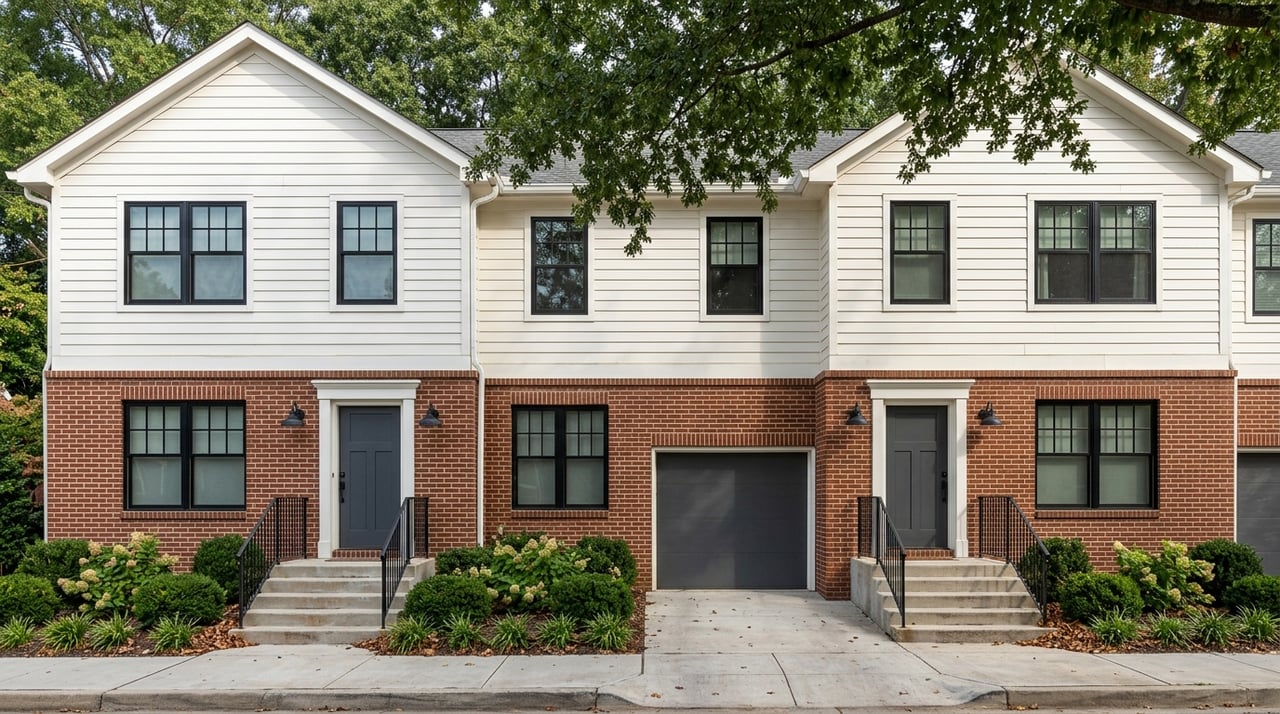
Downtown Chattanooga offers a mix of attached housing styles. You may find historic condo conversions in the city center, riverfront condo buildings, and attached townhomes in communities near the water.
That variety is part of the appeal, but it also means the ownership form, amenity package, and monthly costs can change from one block to the next. Two properties with similar square footage may come with very different rules, services, and long-term expenses.
It is easy to focus on the monthly HOA fee and stop there. A better approach is to ask what that fee actually covers.
In current downtown examples, HOA dues range widely. Some listings show fees as low as $67 per month, while others show $290 or $650 per month depending on the building and level of service. What matters is whether the fee includes items like water, trash, internet, security, parking, concierge service, or amenity upkeep.
A lower fee is not always better if it covers very little. A higher fee may be easier to justify if it includes services you would otherwise pay for separately. When comparing condos and townhomes, always review the fee together with the list of included services.
One of the smartest questions you can ask is whether the association is planning ahead for major repairs. In Tennessee, condo boards with common elements over $10,000 in aggregate replacement cost must maintain reserve studies on a five-year cycle and review reserve funding annually under state law governing reserve studies.
That is important because reserve planning can reduce the chance of surprise special assessments. If a roof, elevator, garage system, or exterior project is coming up, you want to know whether the association has money set aside or whether owners may be asked to contribute more later.
Ask for the date of the most recent reserve study and whether any large capital projects are being discussed. That one step can give you a clearer picture of the building’s financial health.
When you buy a resale condo in Tennessee, the association must provide a disclosure package with important documents and financial information. Under Tennessee resale disclosure requirements, that package can include the declaration and bylaws, current rules, budget, financial statements, reserve information, meeting minutes, assessments, transfer fees, insurance coverage, and pending litigation.
This is not just paperwork to skim at the last minute. These documents can tell you how the building is run, whether owners are behind on dues, and whether there are financial or legal issues that could affect your ownership experience.
If you are buying a downtown Chattanooga condo or townhome, this review period is one of your best tools. It gives you a chance to understand the community before closing, not after.
In downtown Chattanooga, parking deserves special attention. The Chattanooga Parking Authority manages more than 4,700 downtown parking spaces, and parking revenue helps support the city’s free downtown electric shuttle system.
On-street meters are enforced Monday through Saturday from 8:00 AM to 6:00 PM, and monthly downtown parking options can range from about $35 to $70 depending on location. That can be helpful context, but it is still not a substitute for knowing exactly what comes with the property.
Some buildings offer reserved or covered spaces. Others reference nearby garage parking or off-street parking. In some townhomes, a private attached garage may be part of the package. You should confirm whether parking is deeded, assigned, leased, guest-only, or separate from the unit purchase.
Amenities can add value, convenience, and appeal, especially in downtown living. Recent downtown listings commonly mention elevators, roof decks, storage, pools, fitness centers, party rooms, dog areas, security systems, concierge service, and reserved parking.
That said, amenities should be viewed through a practical lens. You want to know not only what exists, but also who maintains it, how often you can use it, whether extra fees apply, and whether future repairs could affect the budget.
If you are comparing two buildings, ask for a side-by-side breakdown of amenities and restrictions. This makes it easier to see whether you are paying for features you will actually use.
If you have a pet or plan to get one, never assume the building is pet-friendly just because it is downtown. Tennessee law allows condo associations to adopt and enforce rules, including fines after notice and an opportunity to be heard, under state association governance law.
In practice, pet policies can vary sharply from one property to another. Some listings advertise pet-friendly features, while others state that pets are not allowed. The safest move is to ask for the written pet policy, not a verbal summary.
It also helps to separate building rules from public-space rules. If you plan to use nearby parks or greenways, the City of Chattanooga park rules require pets to be on leash and owners to clean up after them.
Your monthly payment is more than principal and interest. For downtown Chattanooga condos and townhomes, your true cost may include HOA dues, utilities that are not covered by the association, parking costs, insurance needs, and property taxes.
The City of Chattanooga tax information page states that residential property is assessed at 25% of appraised value and the city tax rate is $1.93 per $100 of assessed value. City tax bills are issued October 1 and due by the last day of February.
When you compare properties, build a full monthly estimate for each one. This gives you a more realistic view than comparing list price alone.
Downtown attached housing can be a great fit, but due diligence matters. Before you move forward, ask for clear answers to these questions:
These questions are closely tied to the disclosures and governance rules Tennessee already requires. They can help you avoid surprises and compare properties more accurately.
Even if a property looks perfect, the documents still matter. Because title details, lender requirements, and tax questions can depend on the association, buyers should have a real estate attorney, lender, and tax professional review the contract and disclosure package before closing.
That extra review can help you catch issues early and move forward with more confidence. In a market with a wide mix of building types and fee structures, careful review is not overkill. It is smart buying.
If you are weighing condo and townhome options in downtown Chattanooga, working with a team that understands the local market can make the process feel much more manageable. At Putnam Property Group, you can get thoughtful guidance, clear communication, and a more tailored approach as you narrow down the right fit for your lifestyle and budget.
Stay up to date on the latest real estate trends.


Putnam Property Group is dedicated to helping you find your dream home and assisting with any selling needs you may have. Contact them today so they can guide you through the buying and selling process.

PUTNAM PROPERTY GROUP
ADDRESS 1428 CHESTNUT ST STE 114 CHATTANOOGA TN 37402