Thinking about listing your Red Bank home but not sure where to start with staging? You are not alone. Buyers in the Chattanooga area compare options across nearby neighborhoods, so the way your home looks online and in person can make or break your first week on the market. This guide gives you a room-by-room plan tailored to Red Bank, so you can attract more qualified showings and stronger offers with clear, practical steps. Let’s dive in.
Why staging matters in Red Bank
Red Bank sits just north of Chattanooga, which means many buyers are local commuters, families, and downsizers. They often compare your home to similar listings nearby, so presentation becomes a key differentiator. Homes that look clean, bright, and move-in ready tend to get more attention, while clutter, dark rooms, and dated finishes can slow momentum.
Staging helps you stand out by highlighting function and livability. Focus on clean sight lines, flexible spaces, and low-maintenance impressions. Your goal is to help buyers picture daily life in your home from the first photo to the final showing.
Whole-home essentials
- Declutter and depersonalize so buyers can imagine their own life in the space.
- Deep clean and repair visible issues like peeling paint, loose hardware, and burned-out bulbs.
- Neutralize colors and patterns for broad appeal.
- Boost lighting with daylight-matching bulbs and open window coverings.
- Define a focal point in each room such as a fireplace, bed wall, or kitchen island.
- Scale furniture to the room and use mirrors to enhance light and openness.
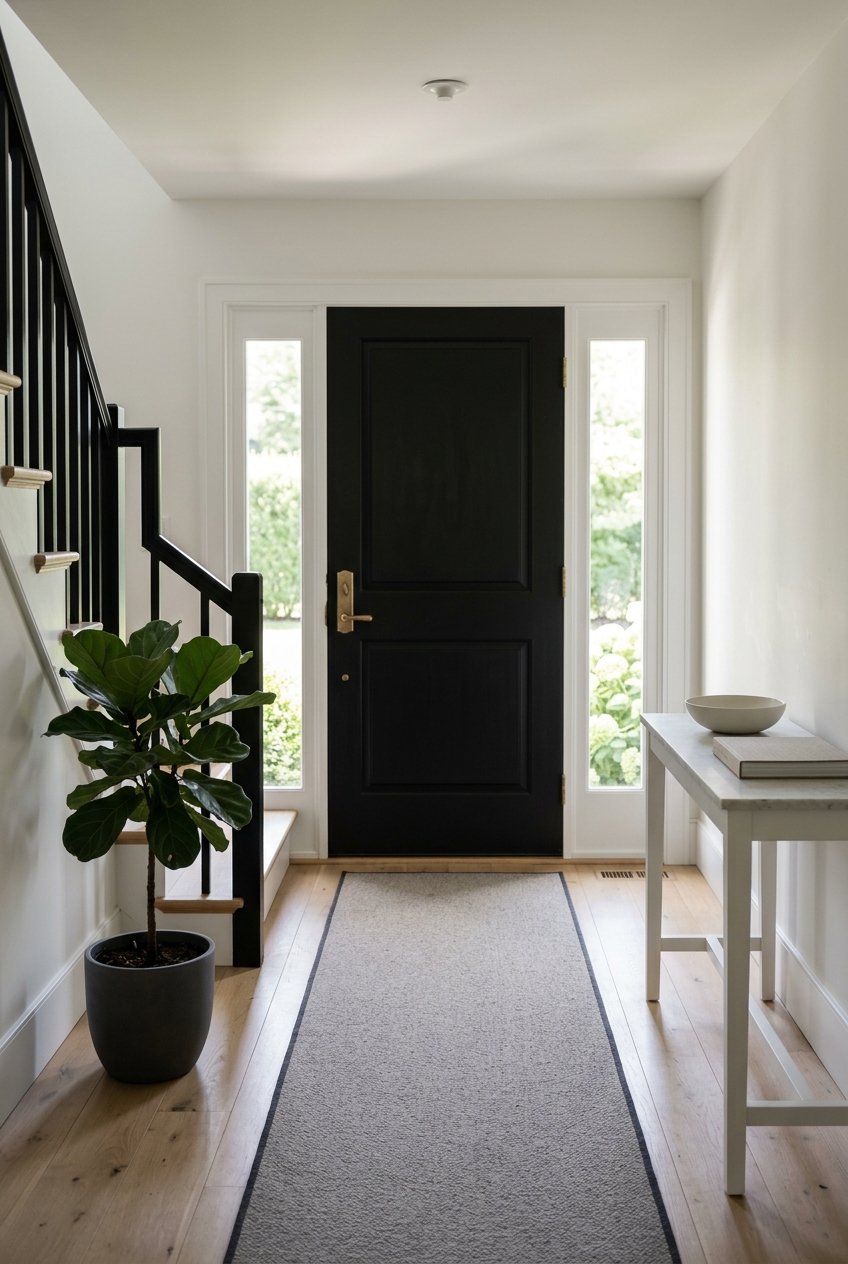
Curb appeal and entry
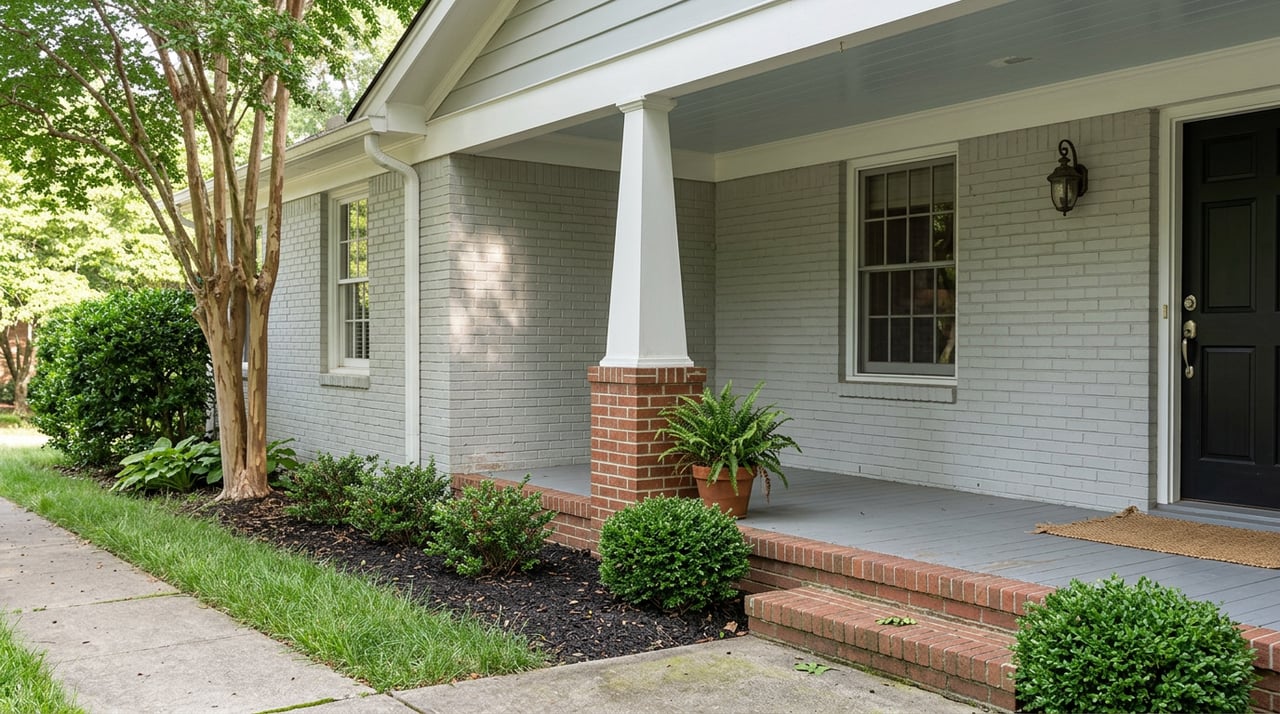
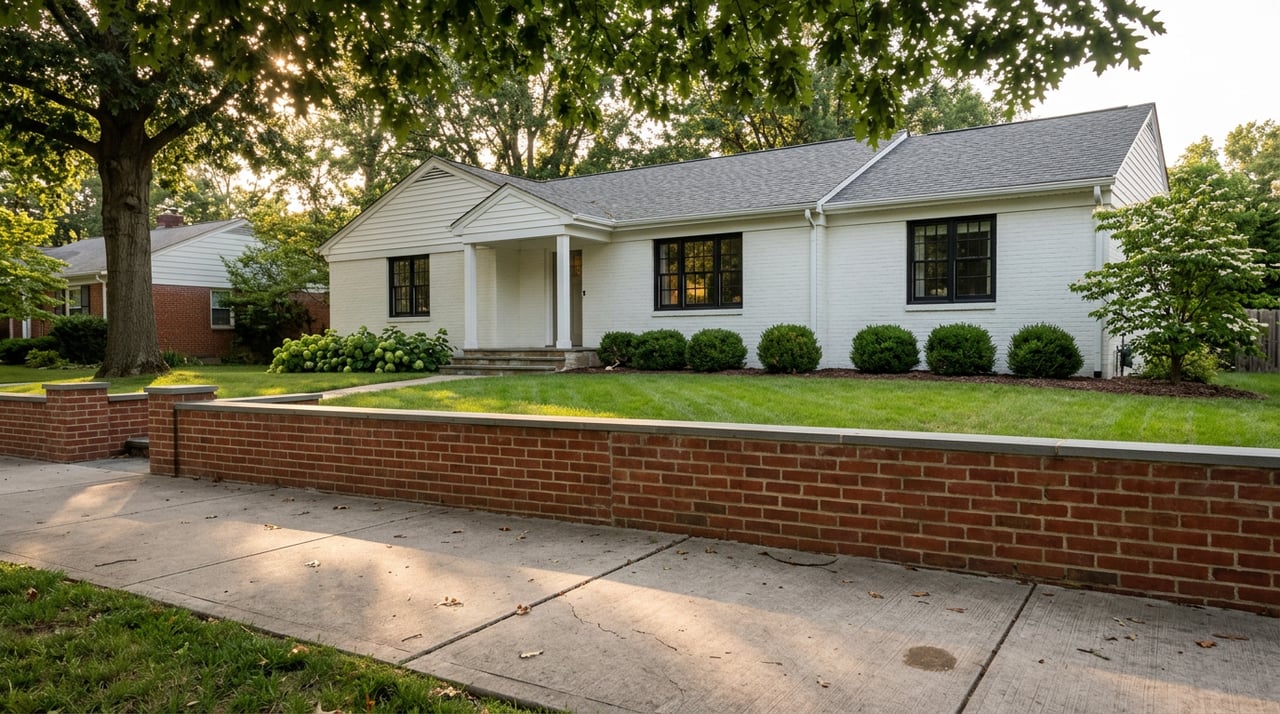
First impressions start at the street. Make them count.
- Mow, edge, and clear debris; tidy beds and pathways.
- Refresh the front door with paint if needed; update hardware if worn.
- Keep the porch simple with a welcome mat and one or two potted plants.
- Ensure house numbers and the mailbox are clean and visible.
- Fix minor exterior repairs, including gutters, railings, and lights.
Photography tip: Plan bright front-exterior photos on a clear day. Consider a twilight shot if your porch lighting adds charm.
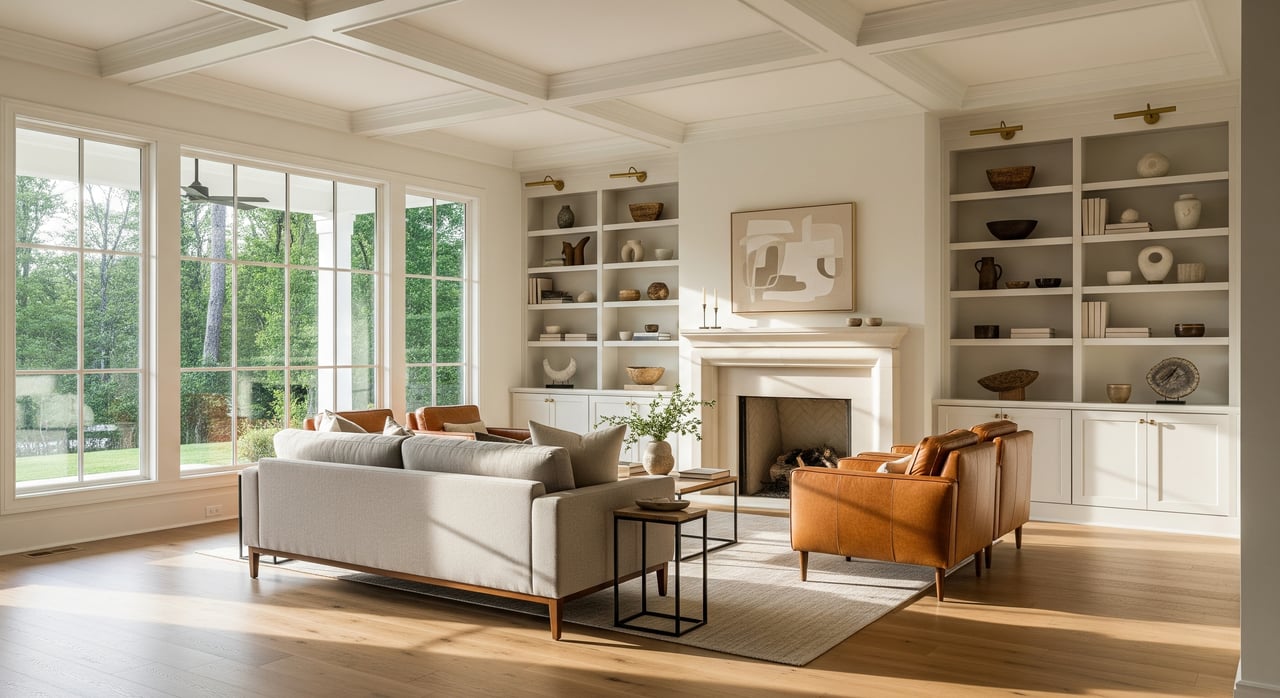
Living room flow
Show a comfortable space that works for daily life and hosting.
- Remove extra furniture to create open traffic paths; keep one or two seating groupings.
- Anchor seating with a correctly sized rug to tie the area together.
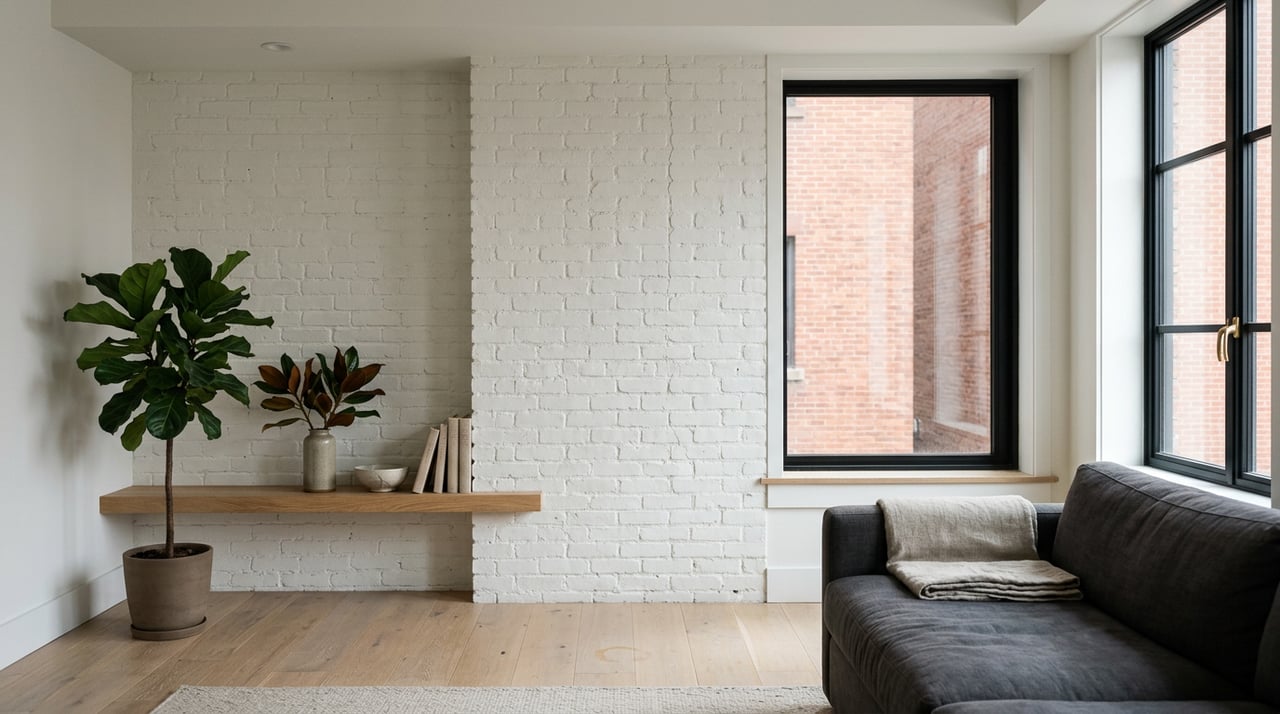
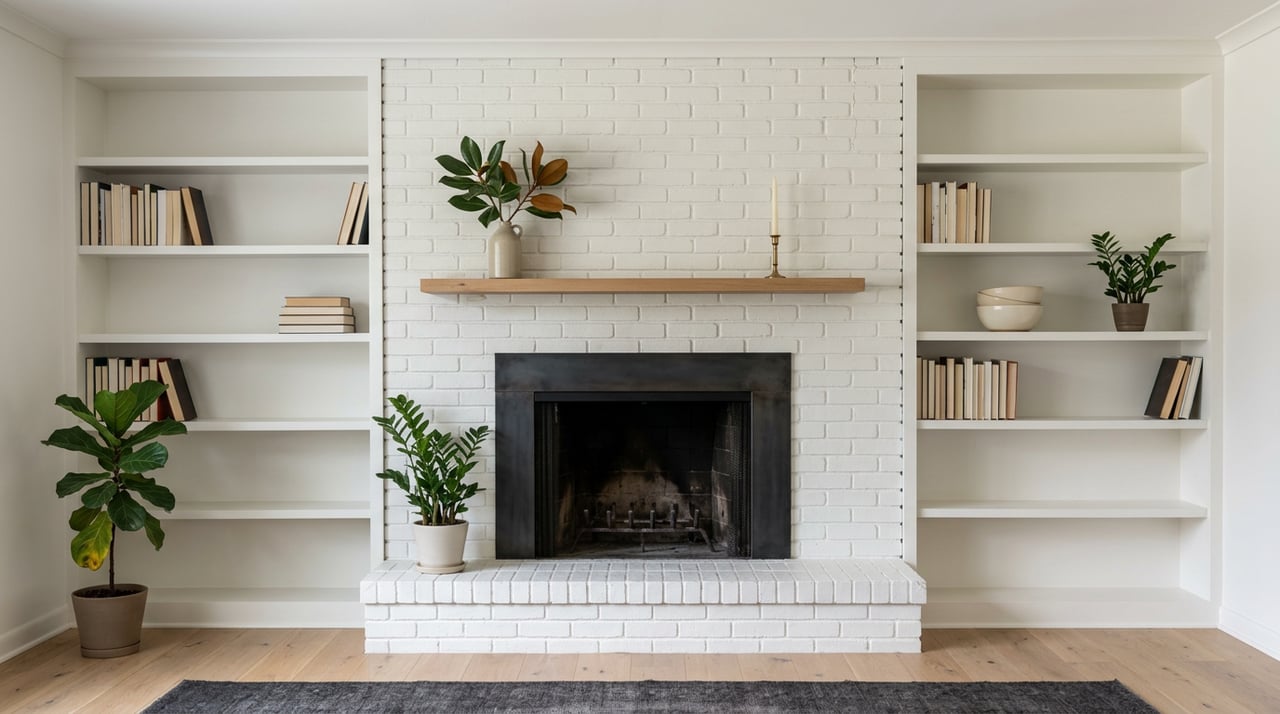
- Clear surfaces and add a simple arrangement like greenery plus a couple of books.
- Store personal media collections and children’s items; a small, tidy play corner can signal flexibility.
- Emphasize natural light and layer table lamps with overhead lighting.
Photo ideas: Capture wide angles from corners to show scale and highlight features like a fireplace or built-ins.
Kitchen that sells
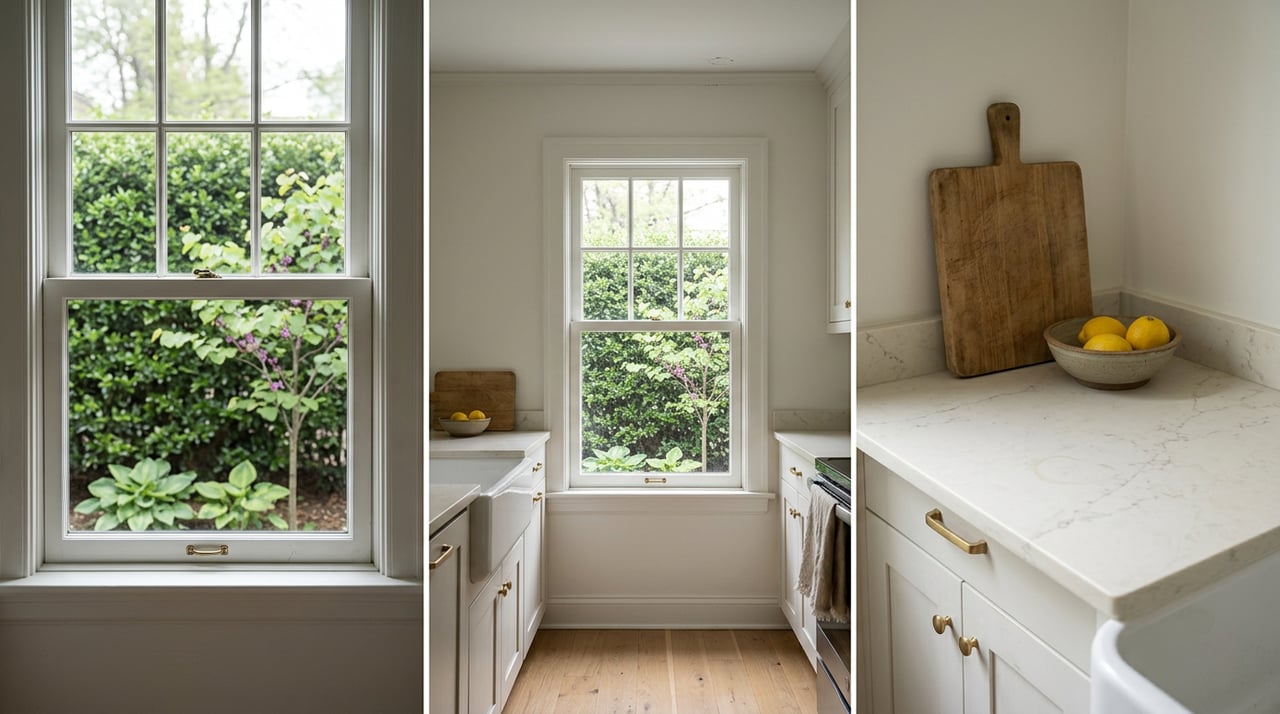
Buyers study kitchens closely, so aim for clean, bright, and functional.
- Clear the counters; remove small appliances and leave one lifestyle cue such as a fruit bowl or cookbook.
- Clean inside cabinets and the pantry since buyers often look.
- Refresh small items like cabinet hardware and a dated faucet; reseal stained countertops.
- If cabinets are sound but dated, consider painting them a neutral color or refacing.
- Brighten lighting; under-cabinet lights look great in photos.
- Create a minimal breakfast or coffee vignette, and set the dining area simply.
Photo ideas: Show the workflow, storage, and counter space. Include a close-up of stand-out features like an island or stainless appliances.
Primary bedroom calm
Present a restful retreat with room to breathe.
- Remove oversized or extra furniture to open the space.
- Use neutral bedding with one or two accent pillows and a neatly folded throw.
- Keep bedside tables minimal with matching lamps and simple accessories.
- Tidy closets; use basic bins and organization to signal storage.
Photo ideas: Include one wide shot and a detail shot of the closet or connected bath.
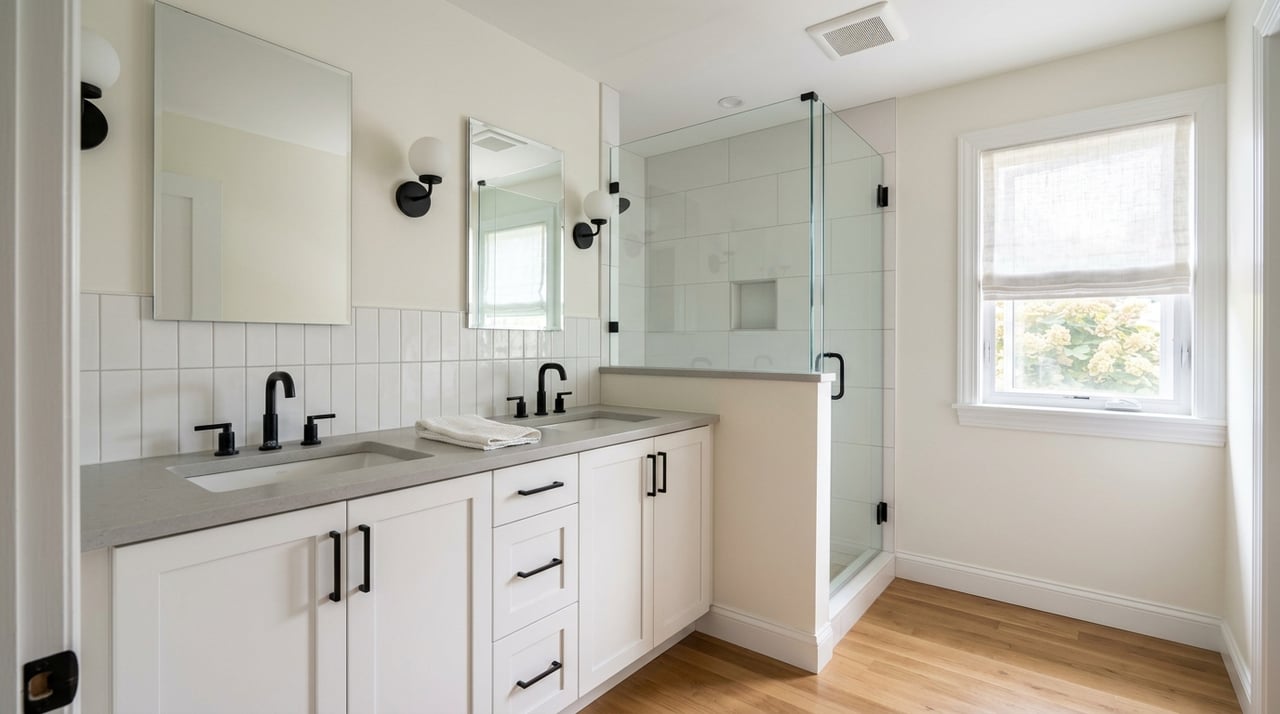
Bathrooms that sparkle
Cleanliness and freshness set the tone.
- Deep clean grout and fixtures; recaulk if needed.
- Replace worn towels with coordinated, neutral sets and remove personal toiletries.
- If budget allows, update dated mirrors or lighting.
- Keep counters clear and shower curtains neutral, or showcase glass when possible.
Photo ideas: Capture clean lines, updated fixtures, and any tub or walk-in shower.
Flexible rooms: bedrooms or office
Flexibility resonates with many Red Bank buyers.
- Stage at least one secondary room as a guest bedroom and another as a home office or playroom, based on your target buyer.
- In smaller rooms, use minimal furniture such as a bed and a small desk to show scale.
- For offices, keep desk surfaces clear, with a hint of productivity, not clutter.
Photo ideas: Highlight natural light and usable space rather than décor.
Storage, basement, attic, and garage
Usable space matters, whether finished or not.
- Finished areas: define a purpose like a media room, gym, or playroom.
- Unfinished areas: show organized storage, bright lighting, and a dry, fresh feel.
- Garage: sweep and remove non-essential tools and boxes.
Photo ideas: Show function and organization, but keep unfinished areas simple and honest.
Outdoor living for Tennessee
Many buyers value porches and yards for everyday living.
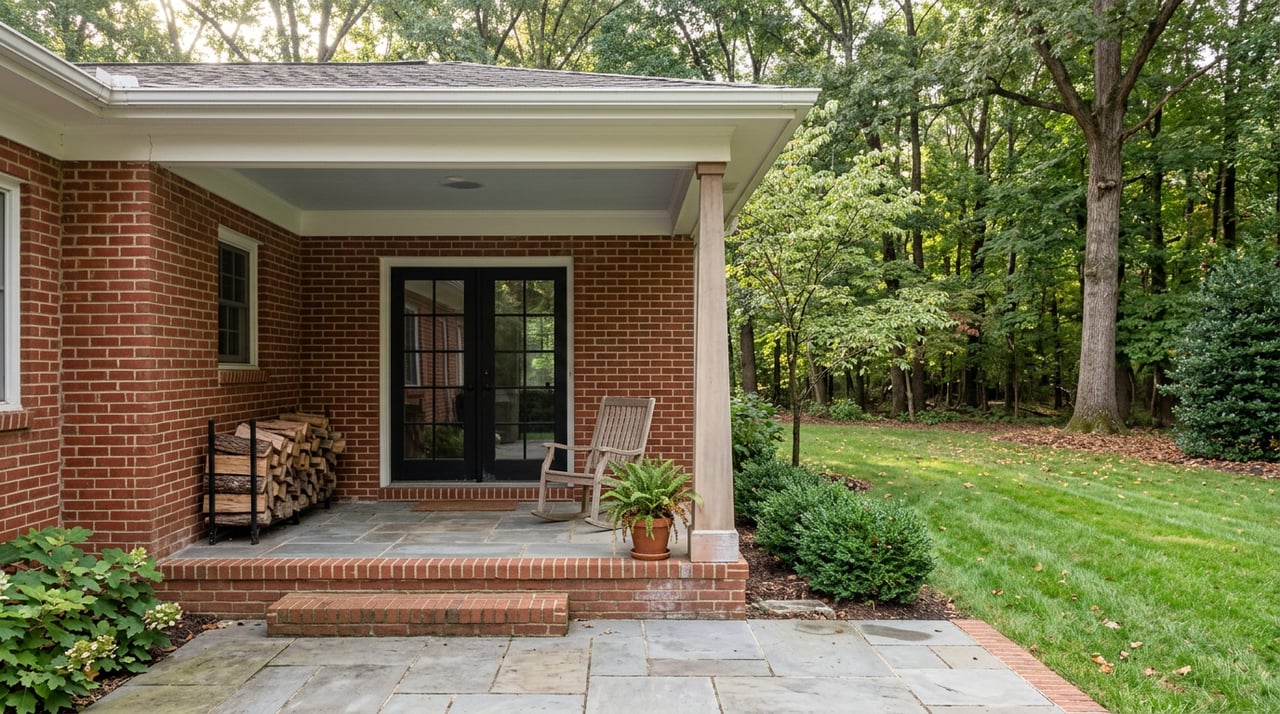
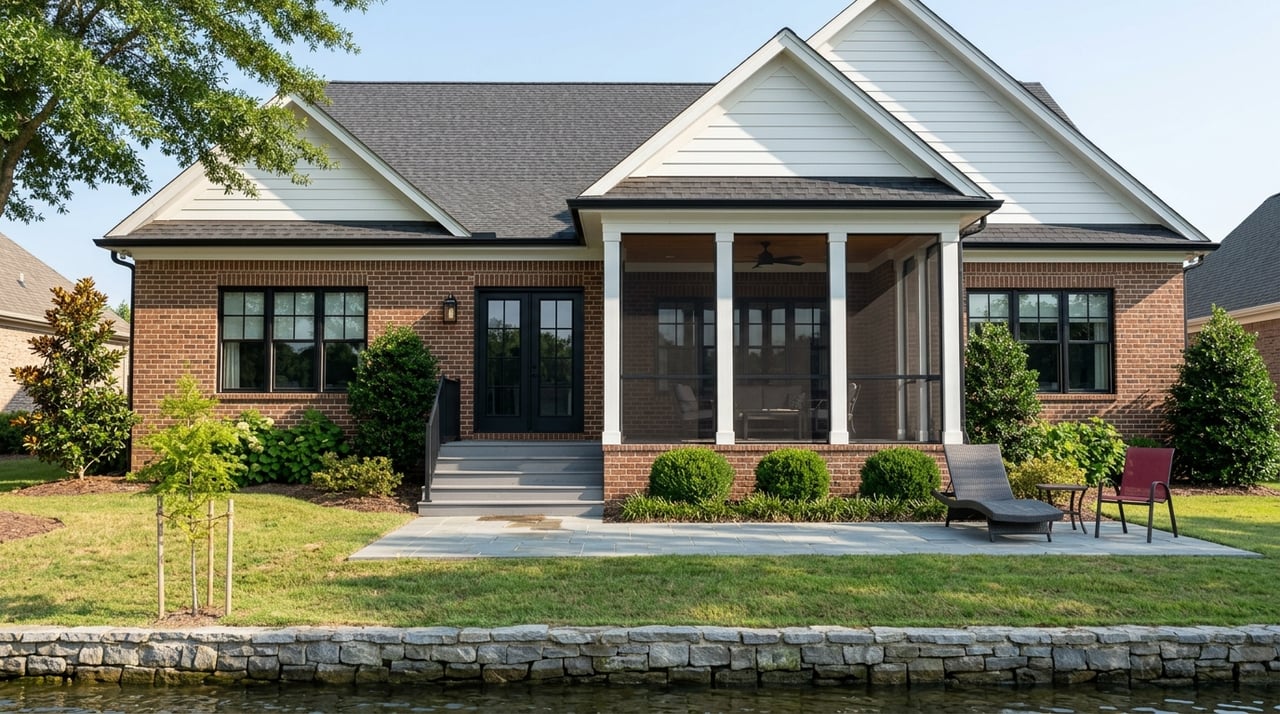
- Stage a small seating set on the porch and highlight any screened or covered areas.
- Clean cushions, remove seasonal debris, and trim plantings.
- Make the indoor-to-outdoor transition clear, tidy, and inviting.
Photo ideas: Include lifestyle shots of seating, a grill area, and clear yard space that shows how it can be used.
Staging timeline and budget
Plan ahead so you can list with confidence.
- 3 to 6 weeks out: handle major repairs, paint, landscaping, and a decluttering plan.
- 2 to 3 weeks out: deep clean, update hardware and bulbs, and rent furniture if vacant.
- 1 week out: final styling, professional cleaning, and staging props in place.
- Photo day: clean windows, make beds, turn on all lights, and tidy the exterior.
Typical cost ranges vary by market, so confirm quotes locally. As a general guide, a staging consultation often ranges from about $150 to $600. Partial or occupied staging can range from about $200 to $2,000 depending on scope and duration. Full vacant staging, which includes furniture rental, can range from about $500 to $4,000+ per month based on size and room count. Professional photography often ranges from about $150 to $500, with add-ons for twilight, drone, floor plans, or video. Virtual staging is a lower-cost option for vacant rooms. Minor investments such as paint, landscaping, and a deep clean are often low cost and can noticeably improve buyer perception.
Occupied edit vs full staging
Match the approach to your home’s condition and price point.
- Professional edit: ideal for well-furnished, occupied homes. You declutter, rearrange, and style selectively to improve flow and photos.
- Full staging: best for vacant homes or higher-end listings where a complete, designer setup elevates scale and lifestyle cues.
Ask vendors for local portfolios, before-and-after examples, itemized quotes, and firm install timelines. Availability can tighten during peak seasons, so plan early.
Photos, video, and virtual tours
Your media plan should align with your staging.
- Primary photos: wide-angle, high-resolution shots of living areas, kitchen, primary bedroom, and front exterior.
- Secondary photos: outdoor living, storage, garage, and unique features like built-ins.
- Consider a twilight exterior if outdoor lighting adds curb appeal.
- Short walk-through videos, around 60 to 90 seconds, help remote and social-media buyers.
- 3D tours and floor plans can attract long-distance buyers.
- Virtual staging can help a vacant home get initial traction, but disclose per MLS rules and local guidelines.
Photo-day checklist:
- Remove visible cords, trash cans, and pet items.
- Turn on all lights to even out exposure.
- Use fresh flowers or greenery and crisp linens.
- Clear refrigerator doors and minimize seasonal décor.
Tailor for Red Bank buyers
Speak to the lifestyles you see most often in the area.
- Commuter families: emphasize functional flow, visible storage, and organized mudroom or laundry areas. Keep the garage tidy and easy to navigate.
- First-time and young buyers: highlight move-in readiness with neutral décor, simple workspace options, and clean, low-maintenance impressions.
- Downsizers and retirees: reduce clutter, show comfortable single-level living when possible, and keep walkways safe and clear.
- Investors: keep staging minimal yet purposeful to reveal layout, storage, and potential.
Put it all together
When you follow a clear plan, you help buyers see your home’s strengths right away. Start with decluttering and repairs, brighten every room, and stage each space with a defined purpose. Align your photos and listing copy with how you present each room, and you set the stage for better showings and stronger offers.
If you want a partner to guide the entire process, from interior editing to professional media and marketing, our family team is here to help. Reach out to Putnam Property Group to talk strategy and get your free home valuation.
FAQs
How early should I start staging before listing in Red Bank?
- Begin 3 to 6 weeks before your target list date for repairs, paint, landscaping, and a decluttering plan, then refine in the final two weeks.
Which rooms give the best return for staging on a budget?
- Prioritize the front exterior, living area, kitchen, primary bedroom, and bathrooms, then add attention to flexible spaces and outdoor living.
Do I need full staging for a vacant Red Bank home?
- Full staging is often worth it for vacant or higher-end homes, while virtual staging can be a lower-cost option if used carefully and disclosed.
How should I prepare for photo day to maximize results?
- Turn on all lights, clear surfaces and cords, remove pet items, add fresh flowers or greenery, and make beds with crisp, neutral linens.
What small updates help my Red Bank home show better?
- Fresh paint, new cabinet hardware, bright lighting, clean grout and caulk, and simple landscaping deliver strong impact for a modest cost.