Dalton Home Pricing Strategy: How Condition Shapes Value
July 2, 2026
July 2, 2026
Wondering why one Dalton home gets strong interest right away while another sits and takes price cuts? In this market, condition plays a bigger role than many sellers expect. If you are planning to sell, understanding how buyers, appraisers, and the market react to your home’s condition can help you price more accurately, prepare more strategically, and avoid costly missteps. Let’s dive in.
In Dalton, condition matters because buyers are not consistently paying full asking price across the board. Over the three months ending May 2026, Dalton’s median sale price was $264,842 and homes sold in a median of 40 days. In Whitfield County, single-family homes in May 2026 sold at a median of $279,000, took 70 days on market, and received 97.4% of list price on average.
Year to date, Whitfield County homes received 97.1% of original list price, with 5.0 months of inventory. That tells you this is not a market where presentation and condition can be ignored. When buyers have options and are staying within real budgets, they tend to compare homes carefully and push back on prices that do not match the condition they see.
Census QuickFacts also show median household income of $63,577 in Dalton and $67,070 in Whitfield County, compared with $77,353 statewide. Median owner-occupied housing values were $222,400 in Dalton and $218,000 in Whitfield County. Those numbers help explain why buyers may be especially sensitive to repair needs, dated finishes, and move-in-readiness.
Your list price is not just based on square footage, bedroom count, or what you spent on improvements. It is shaped by how your home compares to similar recent sales in the same market area. According to Fannie Mae guidance, appraisers base condition on factual inspection data and use comparable sales with similar physical characteristics, including condition.
That means condition affects value through the comp set. If your home is well maintained but mostly original, it may be compared differently than a nearby home with more current finishes and fewer visible updates. If your home shows deferred maintenance, that can place it in a lower condition bracket and narrow the buyer pool at the same time.
Fannie Mae uses a condition scale that helps explain why two homes with the same layout may not support the same price. In simple terms, the scale runs from new or essentially new homes at the top to homes with substantial damage or serious deferred maintenance at the bottom.
Here is the general framework:
Fannie Mae also distinguishes between not updated, updated, and remodeled. A home can be functional and well kept, yet still be considered not updated if most of the finishes are dated. That is an important point for sellers in Dalton because original condition can still limit pricing, even when the home has been cared for over time.
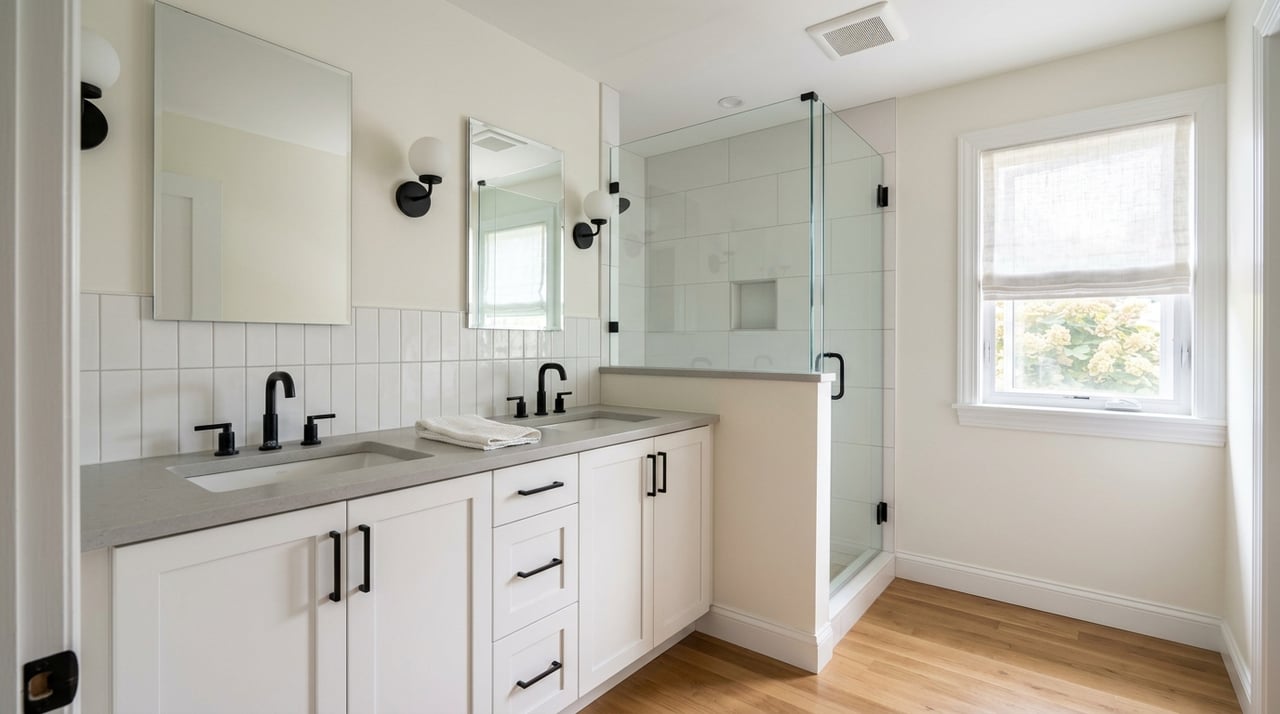
Many sellers ask a fair question: if the home is clean, functional, and lovingly maintained, should dated finishes really matter? The answer is yes, often they do. A home with original cabinets, older flooring, or dated bathrooms may still show well, but it may not meet current market expectations in the same way as a more updated competing listing.
That does not mean you need a full renovation to sell. It does mean your price should reflect the market’s reaction to those finishes. In a market where homes are averaging less than full list price, buyers often expect a price difference when they are comparing original condition to updated alternatives.
A common mistake is assuming that one nice update will carry the entire property. Fannie Mae’s guidance looks at condition holistically, which means one renovated kitchen or one refreshed bathroom does not automatically reset how the whole home is viewed. If the rest of the property still shows wear, older finishes, or deferred maintenance, buyers and appraisers may still place it closer to similar homes with mixed condition.
That matters when setting a list price. If you invest before listing, the updates most likely to help are the ones that make the whole home feel more aligned with current market expectations. A partial refresh can still help with appeal, but it may not justify a major pricing jump on its own.
In general, pricing improves when updates change how the home compares to nearby sales, not simply because money was spent. Fannie Mae’s examples of remodeled condition include replacing major components such as cabinets or bathroom tile, moving plumbing or gas fixtures, or making significant structural changes. Those are the kinds of improvements that can change how a home is positioned against renovated competitors.
For many Dalton sellers, though, the right strategy is not always a major remodel. Sometimes a thoughtful mix of repairs, interior editing, and presentation can move the home from feeling tired to feeling cared for and market-ready. That can support a stronger list price, especially when paired with staging, photography, and a pricing strategy grounded in the local comp set.
Not every flaw has the same impact on price or saleability. For conventional financing, Fannie Mae notes that some minor issues can still be appraised as-is if they do not affect safety, soundness, or structural integrity. Examples include worn floor finishes or carpet, minor plumbing leaks, missing handrails, and cracked window glass.
Even so, these issues can still affect negotiations. A buyer may accept them, but they may also use them to justify a lower offer or request a credit. Once a home has more serious condition problems, the conversation changes from simple cosmetic adjustment to financing risk and deal risk.
Homes with substantial damage or deferred maintenance that affects safety, soundness, or structural integrity fall into a much more challenging category. Fannie Mae treats C6 properties differently because they require repairs and a subject-to appraisal rather than a simple as-is valuation. In practical terms, that can reduce your buyer pool and create more friction during the transaction.
Visible roof issues, structural concerns, moisture problems, or major system defects are not just visual objections. They can become financing and negotiation obstacles that pressure the list price from day one. In a market like Whitfield County, where buyers already have some room to negotiate, those issues can have an outsized effect.
This is one of the most important pricing decisions you will make. The question is not whether a repair costs money. The question is whether the market will pay more for the repaired condition than the cost, time, and inconvenience of completing the work before listing.
A seller credit can help in some situations, but it is not a perfect substitute for condition. Freddie Mac notes that concessions should reflect market reaction and are not handled as a mechanical dollar-for-dollar offset. In other words, offering a credit does not always recover the same pricing power as presenting the home in better condition from the start.
Selling as-is can be the right strategy for some homes, especially when the goal is speed, simplicity, or avoiding major pre-list work. But as-is does not mean condition stops mattering. Buyers will still compare your home to other available and recently sold homes, and they will price in the work they think they need to do.
In Dalton and Whitfield County, where homes are not routinely commanding full asking price, an as-is home usually needs a list price that clearly reflects its condition. If it is priced too close to updated competition, buyers may simply move on. A realistic as-is price can create stronger interest and better negotiations than starting high and chasing the market down.
If you are thinking about selling as-is, there is an important Georgia-specific point to keep in mind. Georgia courts have stated that while caveat emptor is the general rule in real property sales, a seller who knows about serious hidden defects and fails to disclose them can still face fraud claims. In the 2024 Allen v. Harris decision, the court reiterated that not providing a written disclosure does not remove the legal obligation to disclose hidden defects that the seller knows about.
That means as-is should never be used to hide known moisture intrusion, structural concerns, roof problems, or major system issues. From a pricing perspective, transparency also helps you plan better. When you know the home’s true condition, you can choose whether to repair, price accordingly, or prepare for likely buyer objections before they derail the sale.
The best list price is not aspirational. It is strategic. In Dalton, that means looking honestly at your home’s condition, studying how it compares to similar recent sales, and deciding which improvements will actually change buyer perception.
This is where presentation matters too. A home does not have to be fully remodeled to compete well, but it should feel intentional, cared for, and priced in line with what buyers see in the market. With the right prep, thoughtful staging, and a condition-aware pricing strategy, you can protect your net proceeds and improve your chances of a smoother sale.
If you are preparing to sell in Dalton, Putnam Property Group can help you evaluate your home’s condition, identify the updates that matter most, and build a listing plan designed to support the strongest possible launch.
Stay up to date on the latest real estate trends.


Putnam Property Group is dedicated to helping you find your dream home and assisting with any selling needs you may have. Contact them today so they can guide you through the buying and selling process.

PUTNAM PROPERTY GROUP
ADDRESS 1428 CHESTNUT ST STE 114 CHATTANOOGA TN 37402