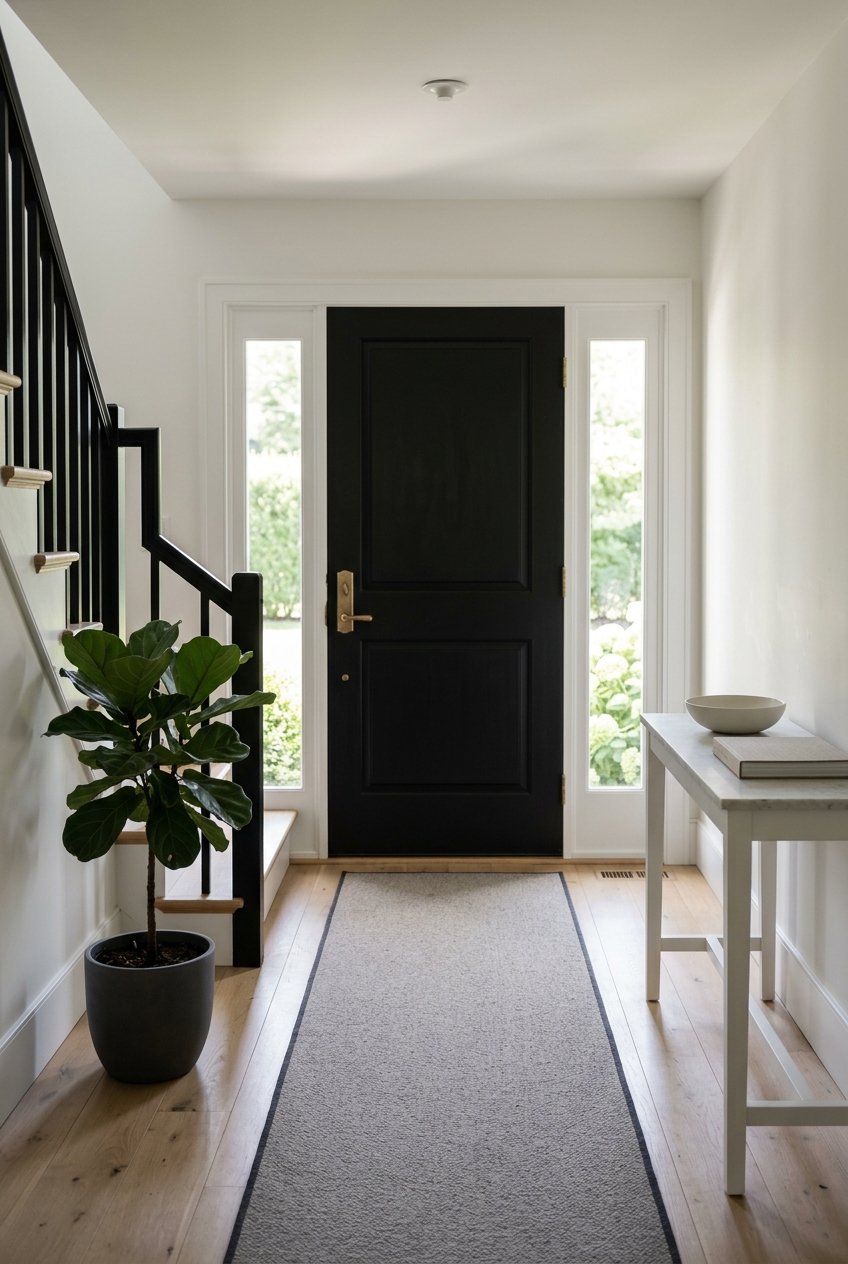
How to Shop Dalton Design Focused Homes With Style
June 25, 2026
June 25, 2026
Are you drawn to homes with great light, thoughtful layouts, and a clear sense of style? If you are shopping in Dalton, you have more than one path to finding that kind of home. Some buyers fall for older houses with original character and renovation potential, while others want a newer home that feels polished from day one. This guide will help you understand Dalton’s design-focused options, what to watch for, and how to shop with more confidence. Let’s dive in.
Dalton offers a mix of housing types and eras, which gives you real choices if design matters to you. The city has a more mixed housing stock than Whitfield County overall, while the county is more oriented toward detached single-family homes. Dalton also has a higher renter share than the county, which adds to the variety you may see as you search.
The bigger story is age. About 93.7% of Dalton homes and 91.8% of Whitfield County homes were built before 2010, and roughly three-quarters were built before 2000. That means many homes in the area reflect earlier building styles, room layouts, and lot patterns rather than today’s standard new-build template.
If floor plan matters to you, that age profile is worth noting. The most common layouts are 2- and 3-bedroom homes, with median room counts of 5.1 in Dalton and 5.7 in Whitfield County. In practical terms, you may find more compact plans, more defined rooms, and homes where charm and layout need to be weighed together.
For most buyers, Dalton shopping comes down to two distinct design experiences. You can look at established neighborhoods with historic character and renovation upside, or you can focus on newer planned communities with more current finishes and open layouts. Neither path is better for everyone. The right fit depends on how you want to live and how much change you want to take on.
Dalton’s older neighborhood fabric gives the city much of its visual identity. The Town Neighborhood character area is defined by older parts of the community, typically developed before World War II, with sidewalks, street trees, small regular lots, shallow yards, on-street parking, and some mixed-use elements. In Dalton, this includes areas such as Murray Hill, Thornton Avenue, and McCarty.
These areas can be especially appealing if you care about architecture, mature landscaping, and streets that feel established. They often offer homes with details that are hard to replicate in newer construction. You may also find opportunities to update finishes while keeping the bones and character that make a home stand out.
If your priority is move-in-ready living, Dalton also offers newer communities with a more polished, current feel. Whitfield County’s Suburban Neighborhood character area reflects post-World War II subdivision development, with larger lots, curving streets, cul-de-sacs, more separation between buildings, and lower pedestrian orientation. Around Dalton, that pattern shapes many of the newer and more suburban options buyers consider.
This side of the market tends to appeal to buyers who want open plans, less immediate project work, and a more streamlined day-to-day experience. Newer communities can also make it easier to compare homes if you want consistency in layout, finishes, and maintenance expectations.
Some of Dalton’s strongest design appeal is concentrated in established areas with a clear architectural identity. If you are drawn to older homes, these are the places where the city’s visual character is easiest to see.
McCarty Subdivision is one of Dalton’s earliest planned residential subdivisions. The city says it was platted in 1929 and includes bungalows, English cottages, Queen Anne houses, Georgian houses, and side-gabled cottages. Homes sit on mature, park-like lots with both linear and curving streets, and most of the remaining houses were built from 1929 into the early 1950s.
For a design-focused buyer, McCarty offers variety without feeling random. You may see different architectural styles, but the setting still feels cohesive because of the lot patterns, landscaping, and age of the homes. It can be a strong fit if you want personality and are open to selective updates.
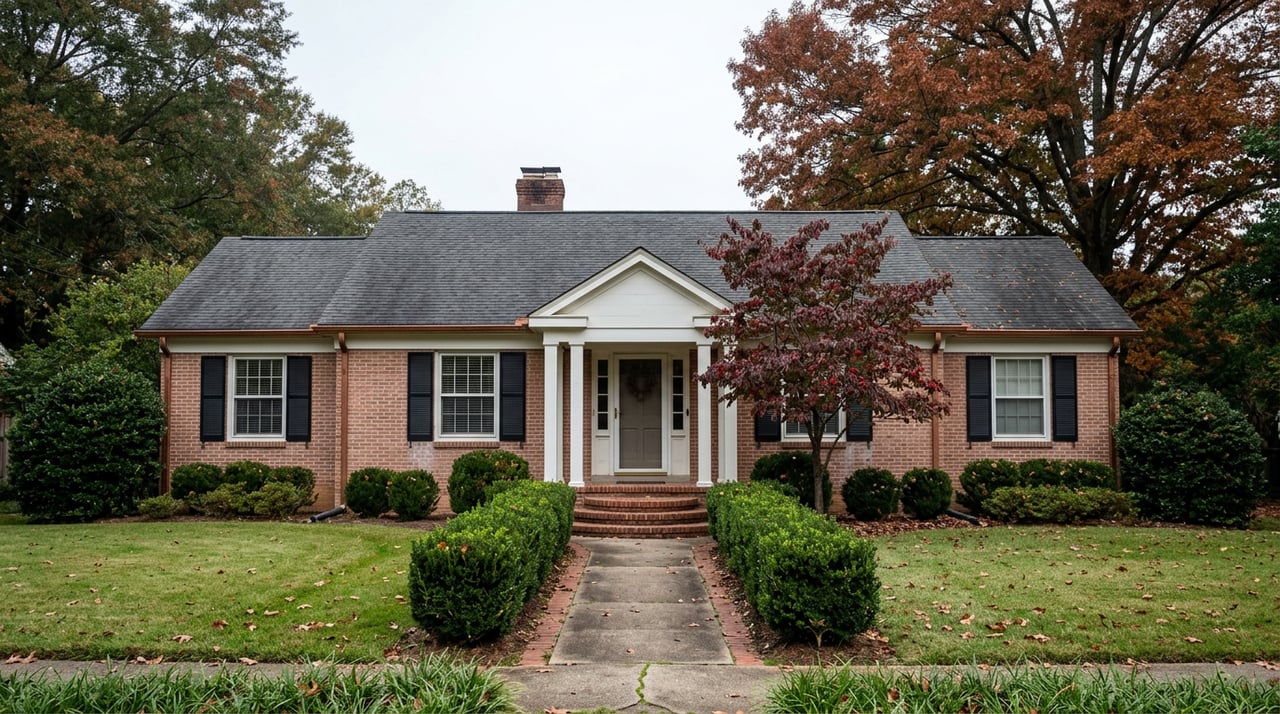
Murray Hill-Thornton Avenue began in the 1840s and was developed primarily between 1937 and 1941. The district is described as having brick and clapboard homes in Queen Anne, Tudor, and Colonial Revival styles, along with mature landscaping. If you notice a strong visual rhythm from one home to the next, that is part of the appeal here.
This area may speak to you if you love classic materials, established trees, and architecture with clear historic references. The city also notes that historic designation can provide property tax freezes and federal investment tax credits for renovation. That does not make every project simple, but it can matter if you are weighing a long-term improvement plan.
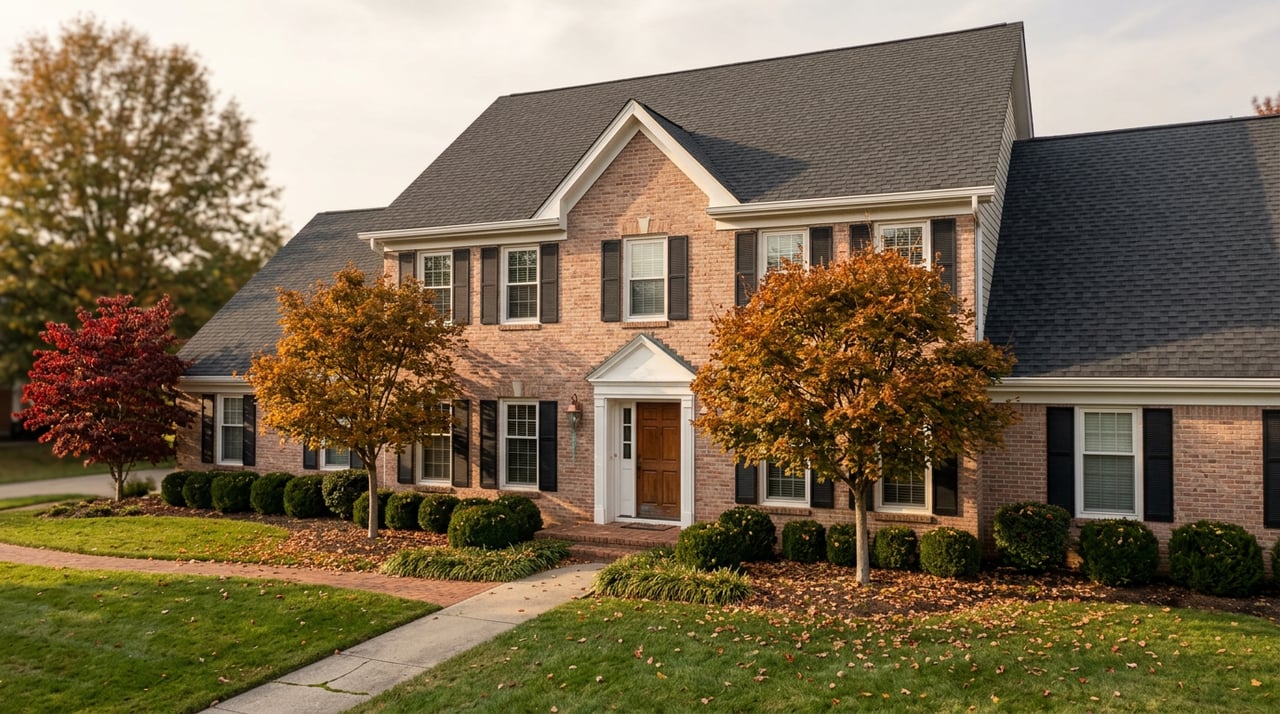
If you want a home that feels fresh and easier to settle into right away, Dalton has several newer examples worth watching. These communities lean into current buyer preferences like open-concept living, lower-maintenance exteriors, shared amenities, and more consistent finish packages.
Coahulla Cliffs is described as a modern, farmhouse-style community with customizable houses. Orchard Place offers 127 new condominiums in a gated setting off Cleveland Highway, with preserved mature trees, green space, walking trails, a pool, a clubhouse, garages, and open floor plans.
Patterson Farms is marketed as a walkable neighborhood with lofts, townhomes, a cottage option, a design center, a community garden, a pool, a clubhouse, and green space. The Andros is another current example, with open-concept floorplans, stylish finishes, low-maintenance living, quick move-in homes, and a mix of townhomes and single-family homes in 3-bedroom layouts.
For buyers, these communities offer a very different shopping experience from Dalton’s older neighborhoods. Instead of searching for hidden potential, you may be comparing convenience, floor plan flow, finish level, and how much exterior upkeep you want to manage.
The best home search gets easier when you define your design priorities before you fall in love with a listing. In Dalton, that matters because the market includes both older homes with character and newer homes with more standardized layouts.
Start by deciding which features are must-haves and which ones can change over time. A beautiful facade may matter less if the interior flow does not fit your daily routine. On the other hand, a home with the right layout but dated finishes may be a smart option if you are comfortable making updates.
These questions can help you avoid searching too broadly. They also make it easier to spot value when a home has the right fundamentals but needs a few presentation updates.
Dalton can be especially interesting if you are open to cosmetic and selective renovation. The city’s design review rules are preservation-focused rather than restoration-only. According to the city, the guidelines are meant to preserve architectural styles, details, streetscape elements, setbacks, spacing, scale, and site features, while not affecting interior use or paint color.
That framework makes many older homes attractive to buyers who can see past surface-level finishes. Updates to lighting, flooring, kitchens, baths, and curb appeal may improve how a home looks and functions without changing what makes it special. At the same time, exterior work in designated historic districts may need local review.
The Historic Preservation Commission reviews rehabilitation, new construction, and demolition in designated historic districts. In Downtown Dalton, properties inside the local historic district must follow Certificate of Appropriateness procedures for work such as rehabilitation, new construction, and demolition.
That does not mean you should avoid these areas. It means you should shop with open eyes and ask early questions about what changes may involve local review. For the right buyer, that process is a fair trade for living in an area with a strong visual identity and preserved character.
Broader planning guidance in Whitfield County reinforces Dalton’s split personality in a good way. Older town-neighborhood areas are intended to be revitalized while maintaining historic character. In suburban neighborhoods, infill is expected to complement the scale, setback, and style of nearby homes, preserve tree cover, and improve walkability where appropriate.
For you as a buyer, that means Dalton’s design story is not just about one style winning over another. It is about choosing between two strong experiences. You can pursue a character-rich older home with renovation upside, or you can choose a newer planned community that feels curated from the beginning.
When you are shopping in Dalton, it helps to look beyond listing photos and focus on the total design picture. Pay attention to the street, the lot, the layout, and how much of the home’s appeal comes from things that can be changed versus things that cannot. Finishes can be updated. Floor plan, setting, and neighborhood context usually matter longer.
This is also where a design-minded real estate team can add value. If you can quickly tell the difference between cosmetic issues and real fit, you are less likely to miss a great opportunity or overpay for surface-level polish. That is especially important in a market where older homes and newer communities offer such different advantages.
If you want help narrowing your search in Dalton, Putnam Property Group brings a high-touch, design-aware approach to buyer representation. Whether you are drawn to historic character, move-in-ready finishes, or a home with renovation potential, the team can help you shop with clarity and confidence.
Stay up to date on the latest real estate trends.


Putnam Property Group is dedicated to helping you find your dream home and assisting with any selling needs you may have. Contact them today so they can guide you through the buying and selling process.

PUTNAM PROPERTY GROUP
ADDRESS 1428 CHESTNUT ST STE 114 CHATTANOOGA TN 37402